“<div class=”description”>
<p>This product is really great!</p>
<ul>
<li>Feature 1</li> <li>Feature 2</li> <li>Feature 3</li>
</ul>
</div>”
Non-semantic elements are used to create structure and presentation for web pages.
无语义元素的作用是创建网页的结构和框架。
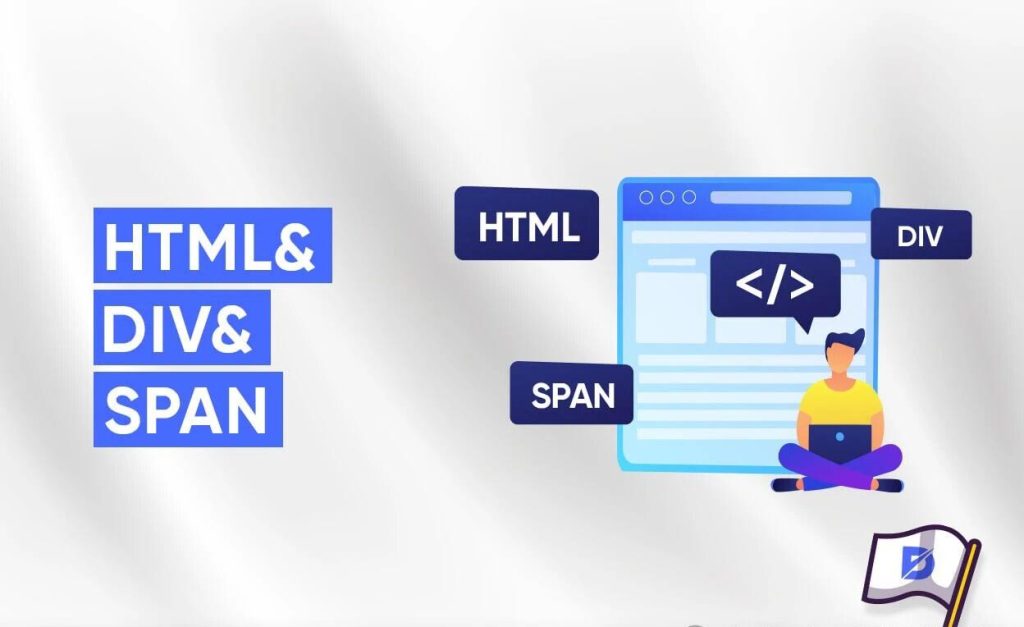
<div>is the most common HTML tag. You are going to see it everywhere.
<div>是最普通的HTML标签。我们可以在网页的很多地方看到它。
Div doesn’t mean anything. It comes from the word “division”, basically just a block of HTML.
Div没有任何意义。它是由单词“division”而产生的。它代表了HTML的一个区块。
We use it to group other HTML into blocks. This block becomes easier to move around and separate from other content on the page.
我们使用Div把HTML组成区块。这些区块可以轻易的被移动并且和页面上的其它内容相区分开。
When using divs it’s important to add a class so that you and others know what it’s for. Above I made a div for the product description, and anything relating to the product description will go in there.
我们可以使用CSS轻松的给某个Div定义一个类。最上面的代码部分,我就是给产品描述定义了一个Div区块。所以和产品描述相关的内容都可以放置到这个区块里面。
<span> is almost the same, but you will see it less frequently. The reason is that <div> is a *block-level* element and <span> is an *inline* element. More on this below in “Inline and Block Elements”.
<span>和Div类似,但是比div更少见。因为<div>是块级元素但是<span> 是行内元素。更多行内元素和块级元素介绍请看下面:
ℹ️ What about <html>, <head> and <body> ?
什么是<html>, <head> 和 <body> ?
You will almost never use these in Shopify. These are used when creating an entirely new HTML page from scratch.
我们在shopify里几乎不会看到这三个元素。当我们从0开始创建HTML页面的时候才会用到它们。
In Shopify you will find them in theme.liquid, but we are writing code in the various other places that get included inside of theme.liquid. So we just never need to use these tags.
这几个元素我们只能在shopif的theme.liquid里才能看到。